How to Eat Well While Traveling (Without Missing the Good Stuff)
Originally published December 21, 2016; substantially updated in September 2026.
Food is part of the trip
One of my favorite parts of traveling is discovering what a place tastes like. It could be a pastry from a bakery I happened to pass, a regional dish I’ve been looking forward to trying, or simply a relaxing meal after a busy sightseeing day. I definitely don’t travel with the intention of eating exactly the way I do at home.
Because I have to be more careful about what I eat than many travelers do, I tend to think ahead about meals. But even for people without dietary restrictions, a little planning can make the difference between enjoying local food and feeling worn out by several days of restaurant meals.
While in London last month, Britain’s iconic dishes called to me. Fish and chips. Pie and mash. A full English breakfast. I’d never think to make baked beans for breakfast at home, but there, they somehow tasted so right. And I wanted to slot in time for afternoon tea.
But after several days of restaurant meals, irregular schedules and more treats than usual, I found myself craving something simple—a piece of fruit, a lighter meal or even an evening without dinner.
Eating well while traveling, I’ve learned, doesn’t mean skipping the foods that make a trip memorable. It means finding enough balance to enjoy them without spending the rest of the trip feeling overly full and sluggish.
From keeping a snack in your bag to knowing where you might find a simple meal near your hotel, these are some of the strategies that can make it easier to enjoy the food you traveled for—and still have plenty of energy for everything else you came to see and do.
Plan loosely—not obsessively
I like to have at least a general idea of where I’ll be around mealtimes, especially on days when I’m visiting museums, sightseeing, taking an excursion, or spending a lot of time in transit. I don’t want to plan every meal in advance, but I’ll often look for a few restaurants or cafés near my hotel or the places I know I’ll be visiting.
This is especially helpful when you have dietary restrictions or allergies. It’s much easier to figure out your options before you’re tired, hungry, and standing on a street corner wondering where to eat. And if you’re traveling with a group, a little advance planning can help when everyone can’t agree on where to go. I once spent an hour trying to choose a restaurant in London when my sister and I wanted to experience an English pub while our parents preferred an American-style steakhouse.
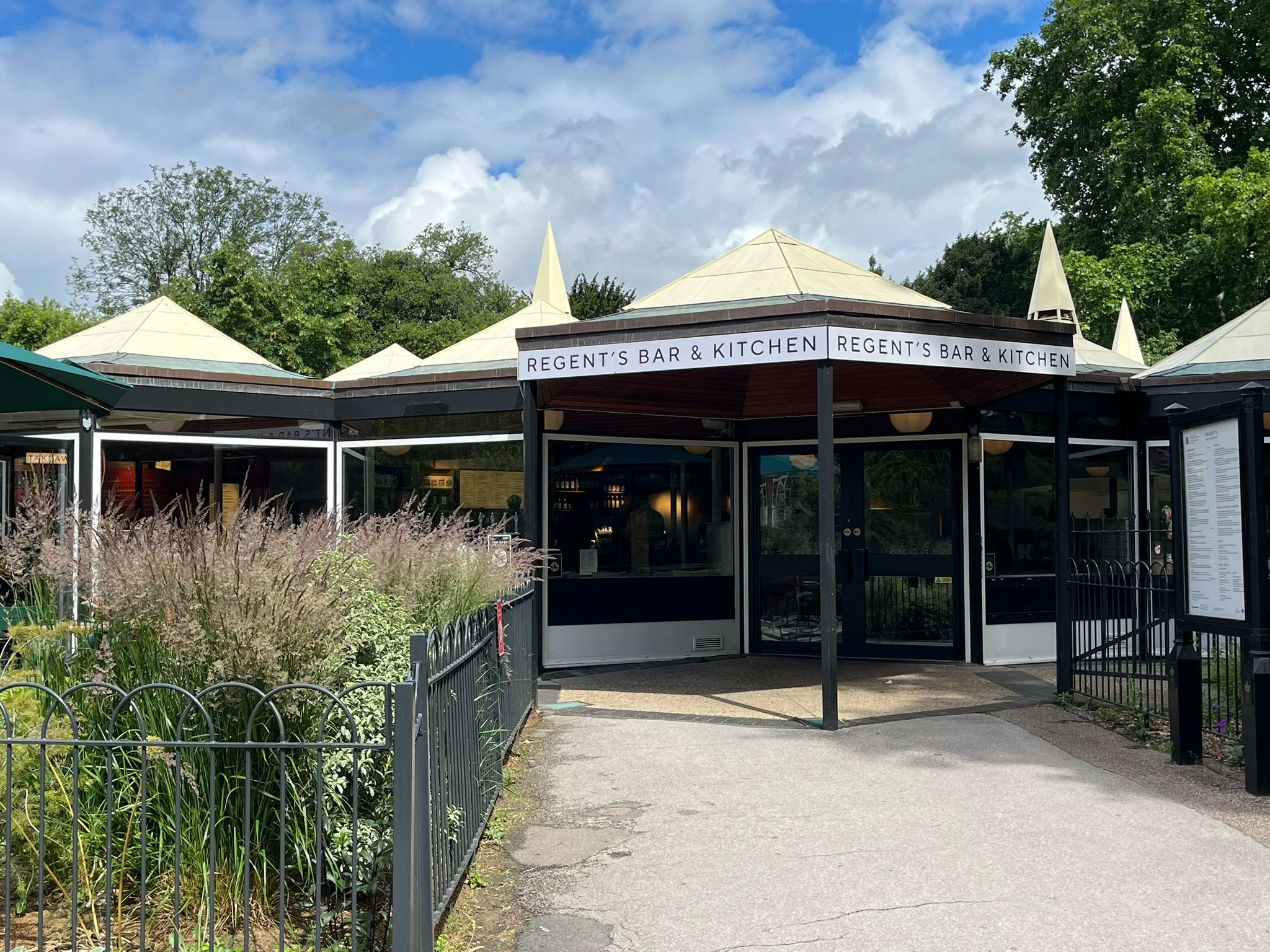
Still, I like to leave room for unexpected discoveries. Last month, after visiting the Sherlock Holmes Museum on Baker Street, I found myself searching for a restroom and wandered into The Regent’s Park. There I discovered Regent’s Bar & Kitchen, near Queen Mary’s Gardens and the Open Air Theatre. I found what I was looking for—and much more: a lovely place to sit with a coffee and an oat, rye and blueberry muffin.
I spent a couple of happy hours there and wandering through the park.
Keep an emergency snack in your bag
Travel days don’t always go according to schedule, and neither do meals. I might spend longer than expected in a museum, get caught up sightseeing, or discover that the café I planned to visit is closed. Having a small snack in my bag keeps me from reaching the point where I’m so hungry that I’ll eat whatever happens to be closest.
Some of the same foods I packed years ago still work well: nuts or trail mix, a snack bar, firm fruit such as an apple, or crackers. Depending on where I’m going and how long I’ll be out, I might also pick up something fresh that morning.
I don’t carry snacks because I want to replace the meals I’m looking forward to while traveling. They’re simply a backup—something to tide me over until I can sit down and enjoy the food I actually want. The point isn’t to snack constantly. It’s to avoid getting so hungry that finding food becomes an emergency.
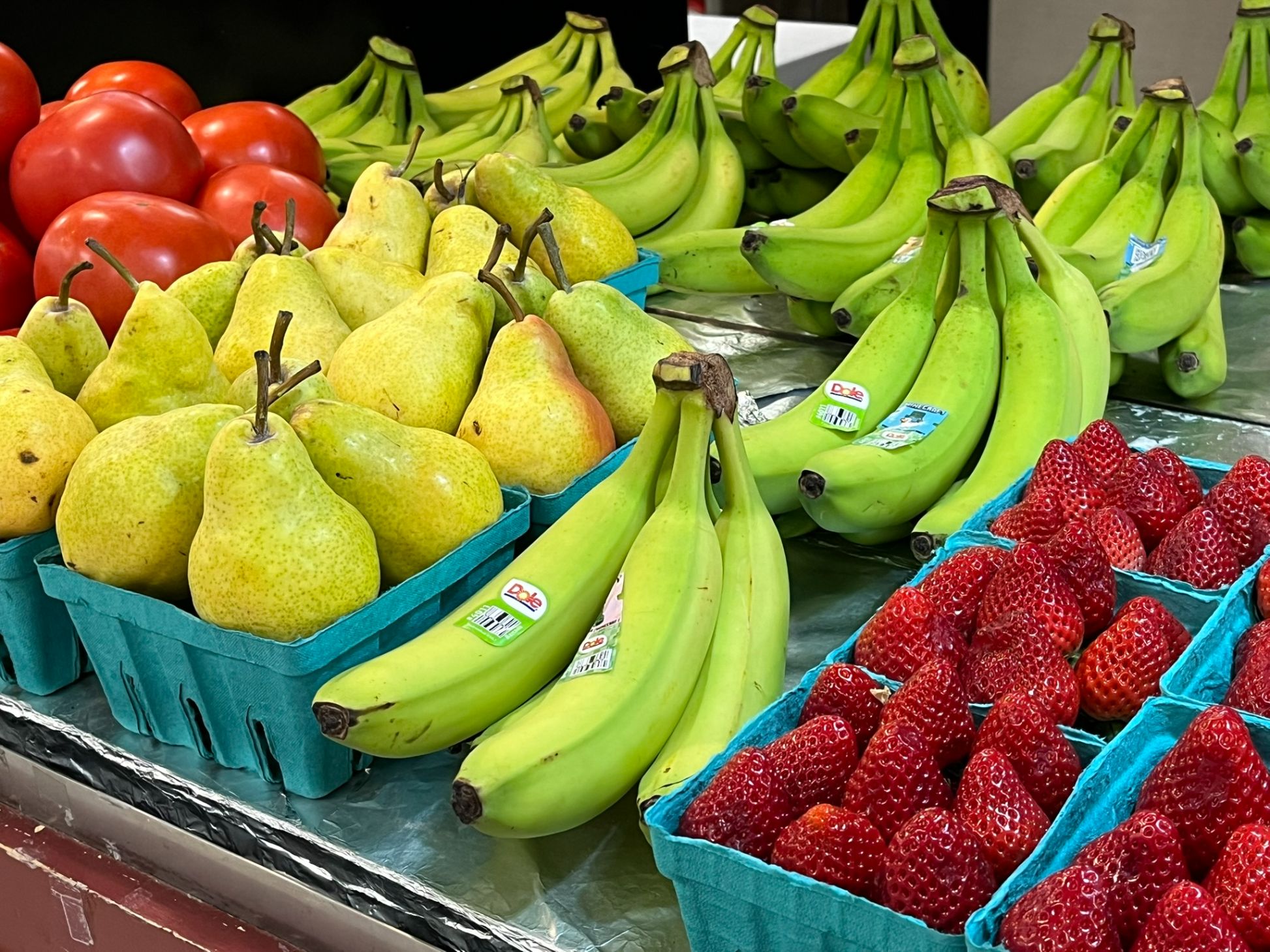
During a recent two-week housesit in Annapolis, Maryland, I was rushing to make a showing of Spider-Man: Brand New Day at the Annapolis Harbour Center and realized I needed something to eat first. I grabbed some fresh fruit at The Pennsylvania Dutch Farmers Market next door and ate it before going into the theater—just enough to keep me from getting overly hungry until I could have a proper meal later.
It’s a strategy I also find useful before walking tours, road trips, and long train or ferry rides.
Don’t Overlook Grocery Stores, Markets and Food Halls
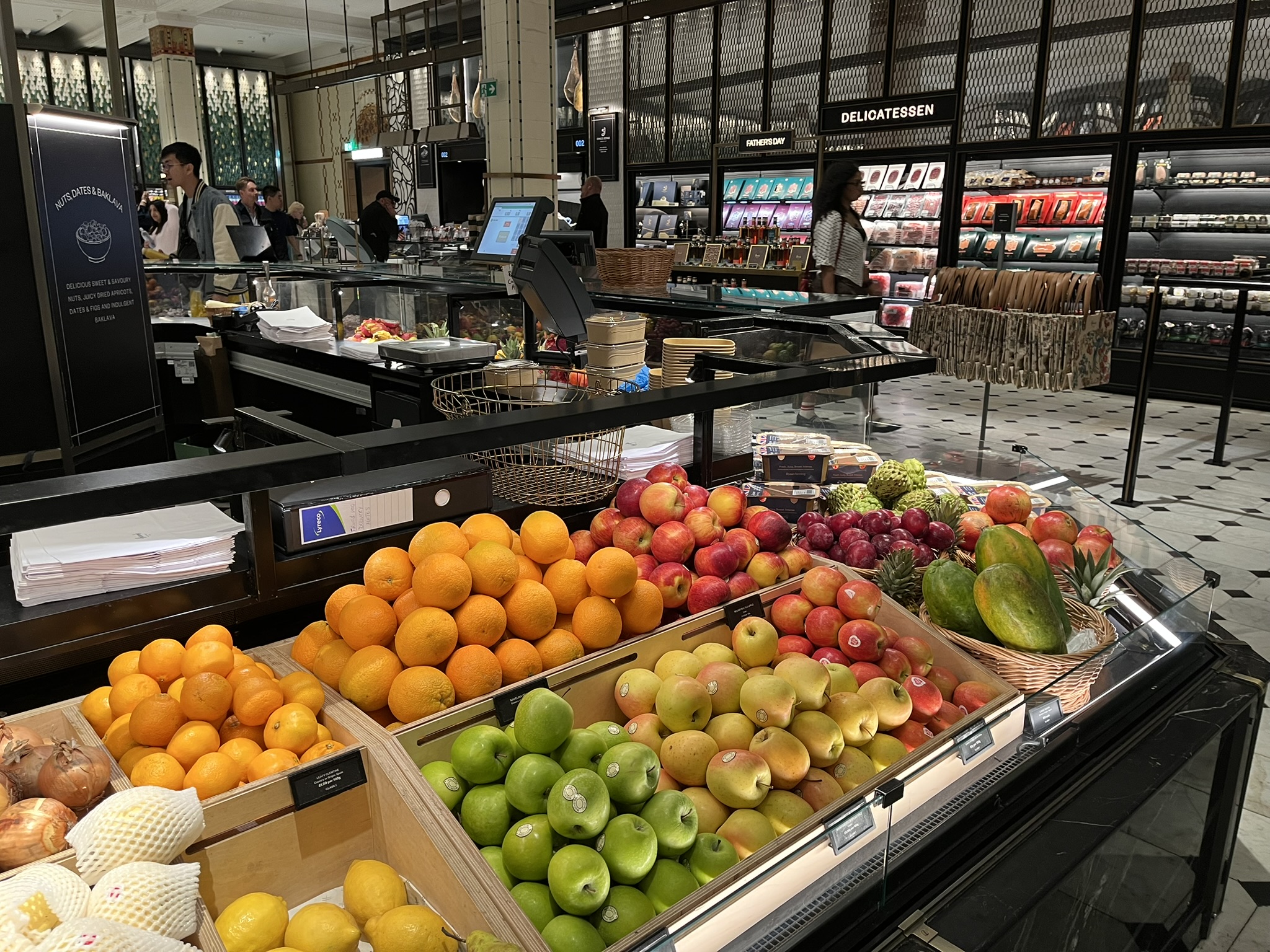
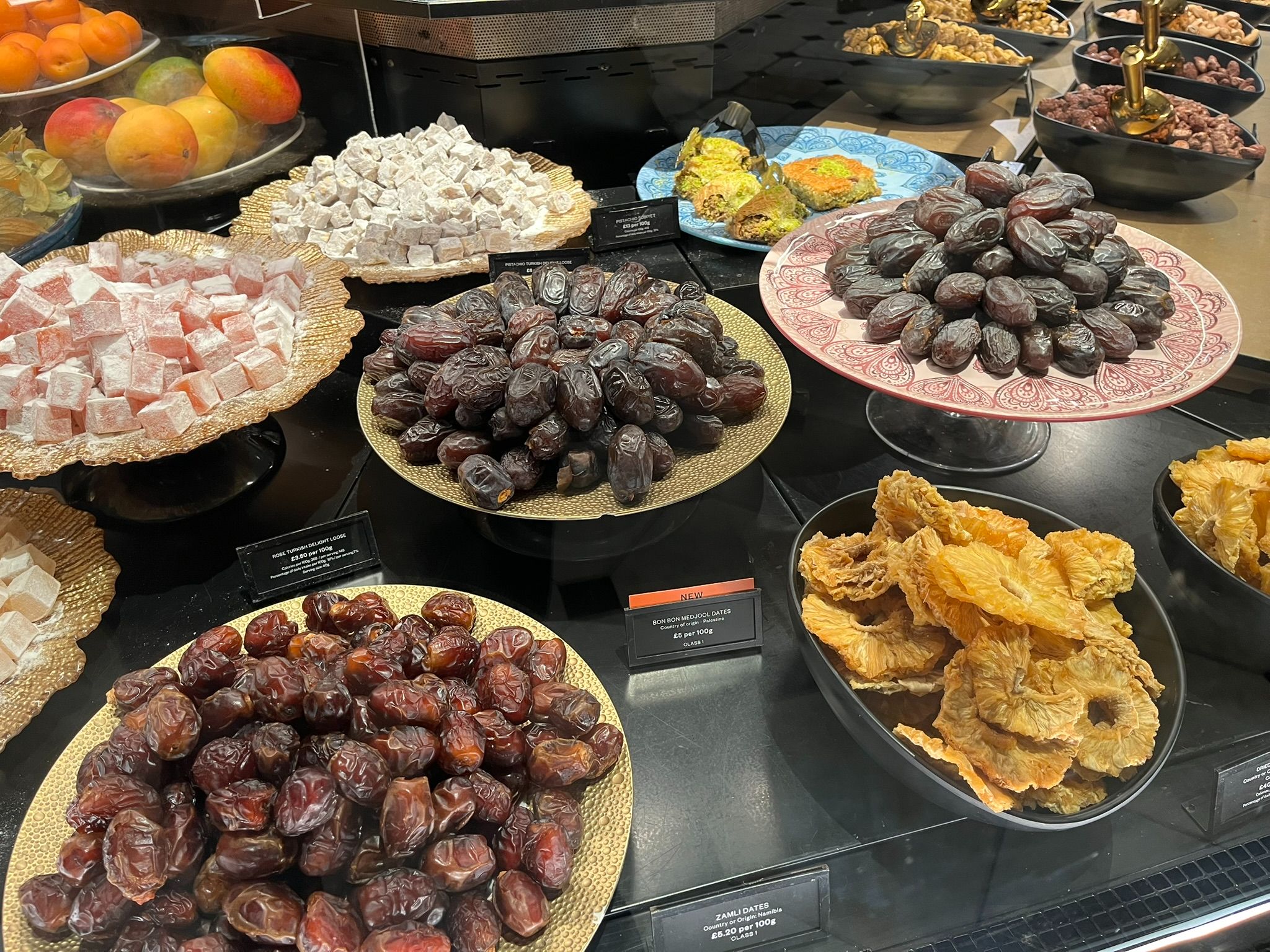
A supermarket, local co-op, or food market can be one of my best allies when I’m traveling. It’s an easy place to pick up fresh fruit, yogurt, cheese, bread, nuts, salads, sandwiches, or something simple for breakfast without having to eat every meal in a restaurant.
Many supermarkets and co-ops also have prepared-food sections, so I can often grab a sandwich, salad, wrap, or other easy meal to take with me during the day. It can be less expensive, too, which is especially helpful on longer trips when restaurant meals start adding up.
When I’m traveling overseas, grocery stores can also be genuinely fun to explore. I like seeing what’s familiar, what’s different, and what local products I might never come across at home. Markets and food halls offer the same practical benefits, but often with even more of a sense of place.
I’ll never forget the yogurt I found in a small supermarket on Mount Scopus in Jerusalem while visiting my sister, who was living in a dorm across the street. It tasted unlike any yogurt I’d had before, and somehow that simple little purchase has stayed with me all these years.
Choose the treats that are worth it
I don’t like setting arbitrary limits on vacation food. If I’m somewhere special, I don’t want to spend the day counting how many treats I’ve already had or deciding I’ve used up my allowance.
Instead, I try to think about whether something feels special to the trip or whether it’s something I could easily have at home. I’d much rather save my appetite for a pastry from a wonderful bakery, a regional specialty, a famous dessert, or a wine tasting than fill up on something ordinary just because it happens to be there.
And sometimes several special things happen on the same day. That’s okay, too. Travel is full of those moments, and part of the pleasure is being able to enjoy them.
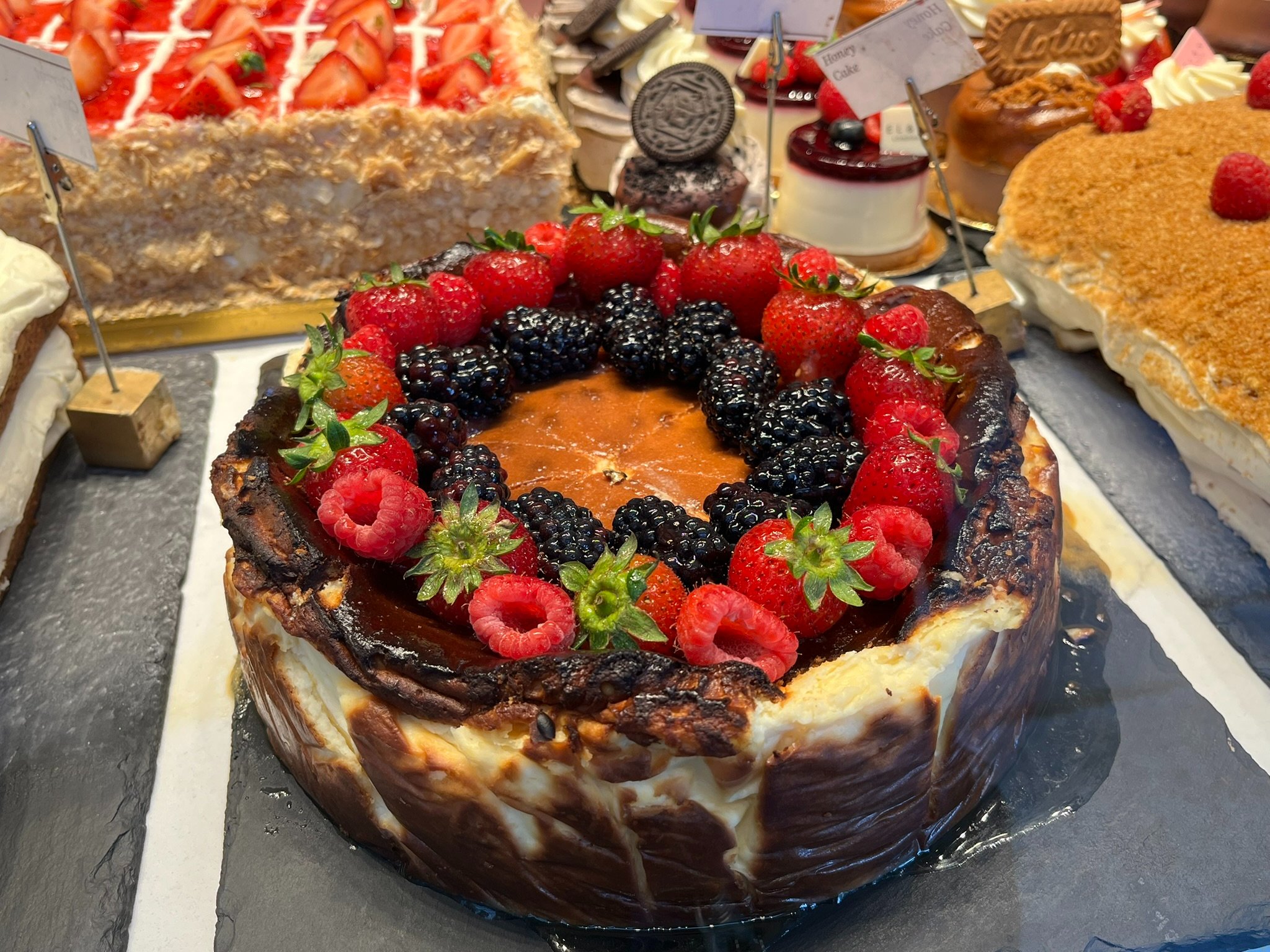
When I spotted this incredible chocolate cake in a bakery window in Covent Garden, it was love at first sight. It was around 1 p.m., and I wasn’t hungry enough for both lunch and dessert. But I realized I didn’t have to have them in the usual order. I could have a slice of cake then and a salad later.
That’s exactly what I did, and I thoroughly enjoyed both “meals.”
Make local food part of the sightseeing
When I travel, food tells me something about the place I’m visiting—its traditions, ingredients, history, and everyday rhythms.
That might mean trying a regional specialty, browsing a market, or ordering something closely associated with the destination. I also love food tours and cooking classes because they give me some context for what I’m tasting and why it matters locally.
Even something as simple as sitting in a café can become part of the experience. I like having time to slow down, watch people come and go, and notice the small details of daily life around me.
In Jerusalem, Israel, I joined a wonderful walking tour that included time for lunch in the Old City. As we navigated the maze-like alleys of the Muslim Quarter, I was thrilled to learn that Abu Shukri was our designated lunch spot.
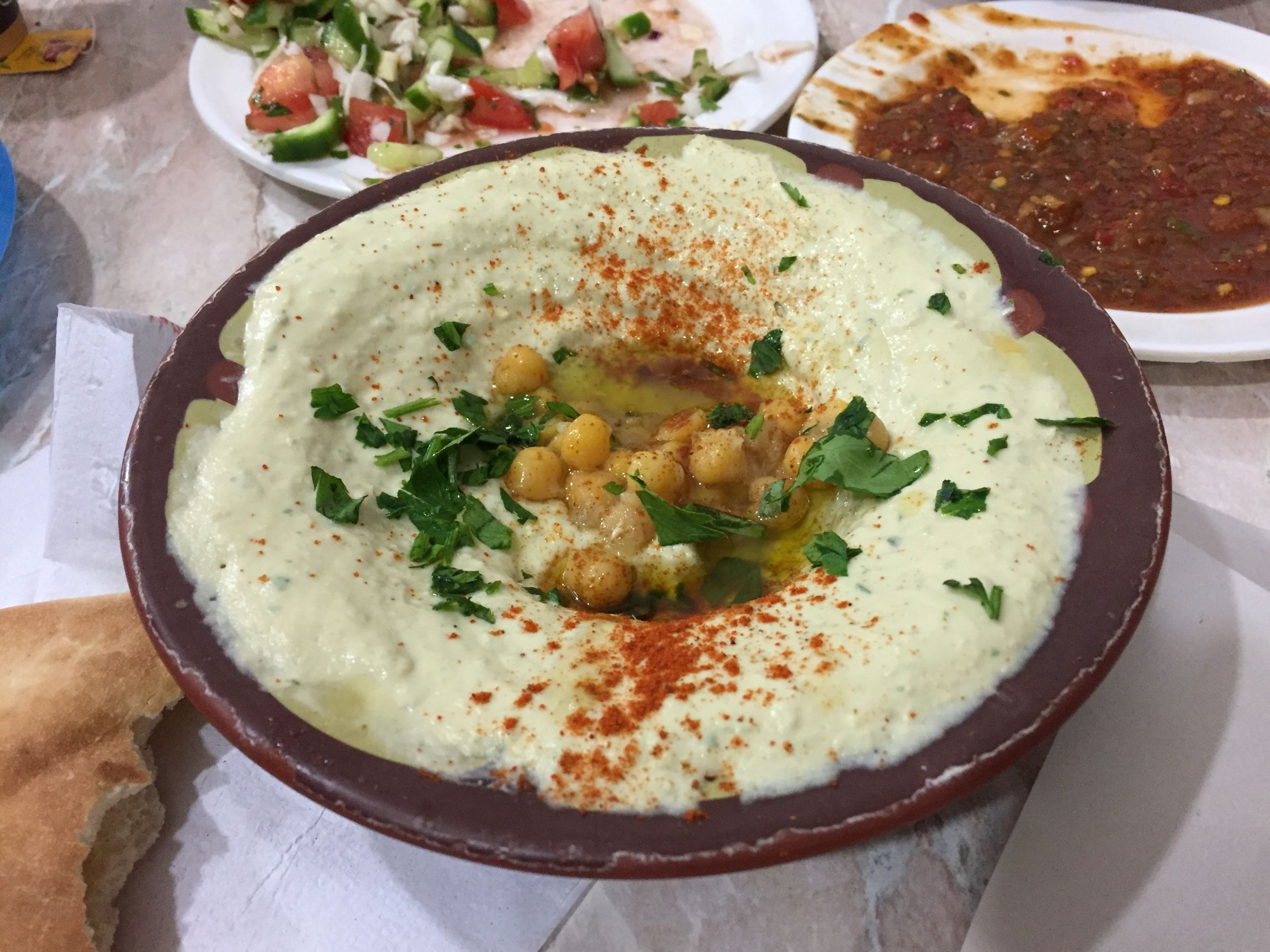
We squeezed into a room filled with chattering families, found seats, and ordered hummus that was the best I’d ever tasted. Made fresh daily, it arrived warm with a drizzle of olive oil and a sprinkle of paprika. The menu also included local specialties such as falafel, salads, and other dishes.
The compact, family-run restaurant was bustling, and sitting there among local diners gave me a glimpse of everyday Jerusalem that I wouldn’t have gotten simply by walking past its historic sites. The meal wasn’t a break from sightseeing. It was part of the experience.
Drink enough water
Drinking enough water is one of my biggest challenges, especially when I’m traveling. I may be walking for hours, rushing from one attraction to another, or simply distracted by everything I’m seeing and doing. Carrying a reusable water bottle when practical makes it easier to drink regularly throughout the day.
I try to pay particular attention to hydration on long sightseeing days, in hot weather, and when I’m flying. Airplane cabins are dry, and even an ordinary day of walking around a city may be much more active than a typical day at home.
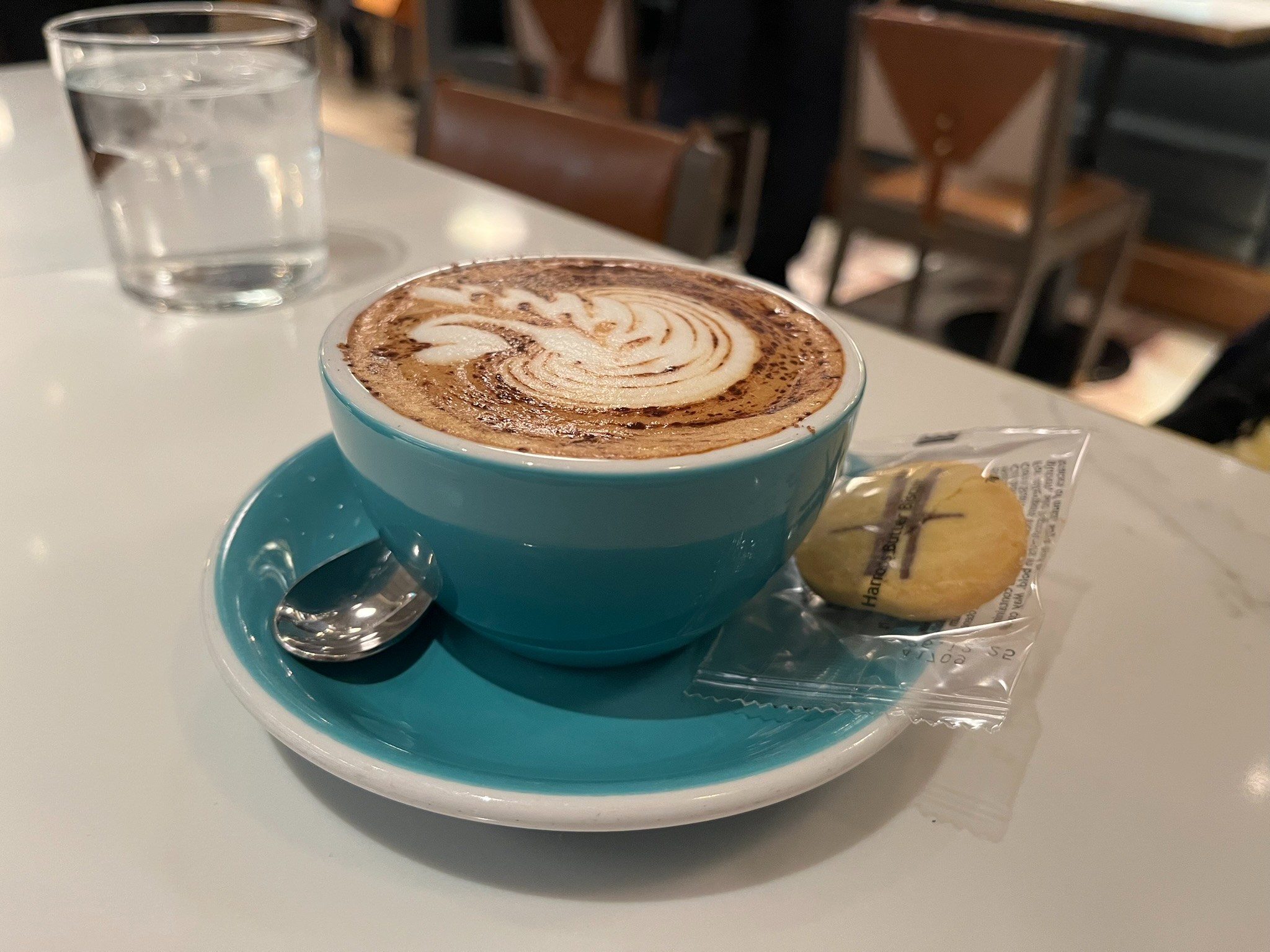
Coffee is part of many of my travel days, too, so I make a habit of drinking extra water along with it. The goal isn’t to follow a complicated hydration formula—it’s simply to remember to drink regularly enough that thirst doesn’t get in the way of the trip.
A trip to Lisbon gave me a very memorable reminder to stay hydrated. I hadn’t been drinking enough water while I was there, and about two hours after my flight home, I felt the first severe pain from a kidney stone and had to call an ambulance from my hotel.
While I know the stone wasn’t caused by dehydration alone, the experience made me much more conscious of drinking enough water when I travel. As miserable as it was, I was deeply grateful the pain hadn’t started while I was still in the air. Ever since, I’ve been much more careful about keeping water with me while I travel.
If you have dietary restrictions, do a little extra homework
Dietary restrictions can make travel meals more complicated, so a little research ahead of time can save a lot of frustration. I like to check restaurant menus before I arrive and identify a few places near my hotel or the attractions I plan to visit that seem likely to work for me.
When traveling internationally, it can also help to learn or save a few key phrases explaining an allergy or dietary restriction. I don’t like to depend entirely on apps or old online recommendations, since Wi-Fi may not always be available, and restaurants, menus, and opening hours can change.
Keeping a few reliable foods or snacks with me also gives me a backup if my plans fall through. The goal isn’t to plan every bite in advance—it’s simply to know I have options.
8. Listen to what you actually want
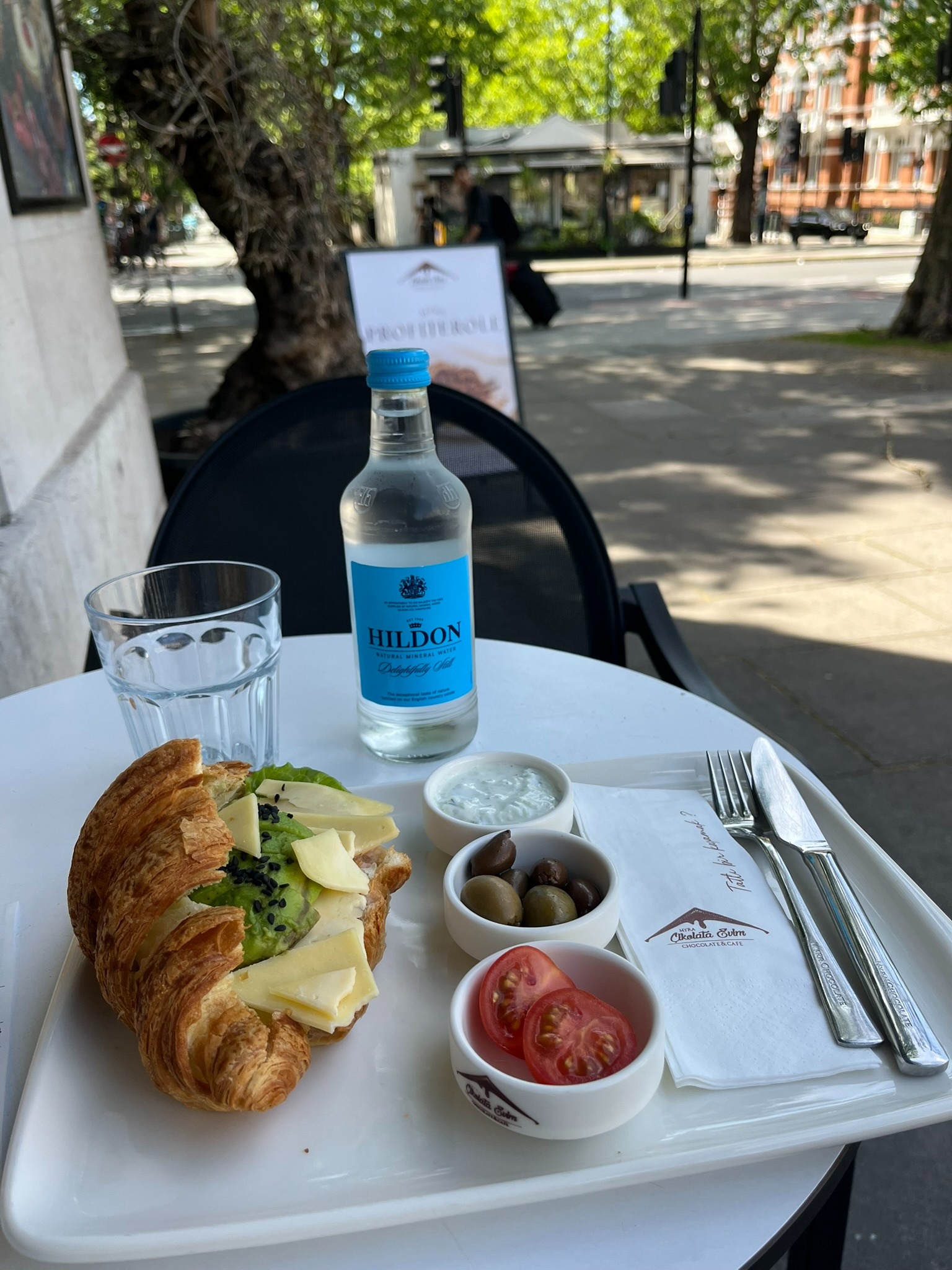
Eating well while traveling doesn’t always mean choosing the most interesting or elaborate option. Sometimes what I really want is something simple, especially after a long day of sightseeing.
While in New York City last week, I had the option of afternoon tea at the Plaza Hotel’s Palm Court—or a turkey bacon sandwich from Starbucks. After walking nearly the entire day, Starbucks won. I was simply too exhausted to appreciate the full afternoon-tea experience, and I knew I’d enjoy it much more another time.
I’ve learned that it’s okay to change plans based on how I’m feeling. A special meal is only special if I have the energy and appetite to enjoy it. Sometimes a sandwich, a cup of coffee, a piece of fruit, or an early night is exactly what I need.
What I’ve learned is that a few simple habits can make travel meals more enjoyable, not less. Planning ahead when I need to, carrying a snack, drinking enough water, and paying attention to what I actually want all help me enjoy the special foods without feeling as though every meal has to be an event..
Some of my favorite memories involve food—a remarkable dish, an unexpected café, a market discovery, or even cake for lunch. Eating well while traveling, for me, is really about making room for those moments while still feeling good enough to enjoy everything else the trip has to offer.